Categories
Coaching Leadership

Who is “They”?

An insidious tactic of someone who’s trying to disrupt your priority list is an appeal to “they”. It’s always an anonymous and shadowy group, and all that you can be sure is that “they” are important, and “they” want something.

The only way to defend against this is with a spirit of coaching, and to start following interest. Make sure to stay positive, and start out by discovering who “they” are. Is this group of people important to you and your team? Are they people that you want or need to keep happy, or are they just fishing for resources? Where do they sit in your stakeholder map?

Next up, get into the why. Why are these people coming to you? What’s stopping them going through normal channels or using their own resources to get this thing done.

Consider offering to take up the discussion directly with “they”. It’s exciting to see how often the request is actively coming from the group, versus their name used in vain to add weight to another agenda. Sometimes just asking this is enough to make the request go away entirely!

Once you give in to requests from “they”, then you’ll find your time is ever more devoted to the whims of others. With some gently probing questions, you take back the power to prioritise effectively and deliver more value sooner. Don’t let “them” win.

Categories
Coaching Leadership

Ignore It?

It’s a busy world, there’s lots of noise and it’s only getting busier and noisier. If you are getting overwhelmed by notifications, distractions and requests for “a couple of minutes” then you could try out a new technique.

What happens if you just ignore it?

This gives you an opportunity to think about if the information matters, if there’s an action for you to take or if it’s pure noise with no signal attached.

It’s a method to sort items into the Eliminate quadrant of the matrix, the things that you just aren’t going to do.

Once you’ve decided if ignoring something won’t have any major impact, the next step is to figure out the minimum amount of effort to get it off your plate for good. Repeatedly ignoring things is probably not the best strategy in a business context!

If it’s a common but low value question, then write up a document and point people towards that rather than repeatedly crafting responses. If there’s a notification that you’ll never act on, then get rid of it and drop the interruptions.

Pointless meeting? Cancel it. Weekly update that’s never read? Drop it.

As with any new approach, you’ll make some mistakes at first. Start with the slam dunks, then trial it on a few less certain things. If you go a bit far eliminating things, don’t worry too much, and bring them back (improved if possible!).

So, what happens if you just ignore it?

Categories
Leadership

Work the Problem

Technologists love solving problems, it’s one of the defining characteristics that pulls people into the world of high-tech. When this desire is put towards the right ends, then it’s a powerful force for good. There are some tools and techniques that can keep you on this path, and a few traps to watch out for.

First up, be clear what the true problem is you are trying to solve. Understand what the issue is, consider who is impacted now and what will change once it’s solved. Look at the value in the solution, the costs involved in solving it and the opportunity cost of targeting this vs something else.

Taking time to build this understanding gives a proper frame to the problem. It’ll prevent a couple of the traditional mistakes we can make, things like automating the existing bad process, or only providing benefit to the noisy stakeholders who are demanding a solution right now.

Now, step away from pure technical solutions. If you stay fully in the world of software and hardware, you’ll find you default to solving all problems by just writing code. The longer you do this, the easier it is to drift away from your customers, until all you care about is the minor version of the tech stack and wringing out another micro performance update. You’ll probably place too much weight on getting rid of old software just because it’s built in a slightly outdated way, rather than moving on because it’s no longer serving a purpose.

So, look over the problem again. If you aren’t selling enough of a widget, then don’t immediately jump on updating a feature. Maybe you are not marketing it to the right people, or your copy is out of date. Is it a complex product that has a sales funnel? Can you optimise that? Are people using it correctly or is it too complex? Maybe the right solution is taking away features rather than adding more?

When you look up beyond the purely technical, you increase the overall impact you are able to have. Work with the cross-functional experts in all the disciplines relevant to the problem and you’ll always come up with a better solution. You can be confident that when you break out the development environment and start cutting code that you’ve worked the problem and that a technical solution is the right one.

Categories
Coaching Leadership

Storytelling

Getting better at presenting is a common theme for the people I’ve worked with. Running a great session that inspires people, drives an important decision or shares vital information can be a weekly challenge in the corporate setting.

Improving your storytelling is a great technique to take your presentation skills to the next level. Think about the type of presentation you’ll be giving, who the audience is and the one key message that you want them to take away from the session.

You can then craft your presentation around this setup, and structure the story to have the impact that you are aiming for. We’re used to telling stories, and we all understand the structure of a range of different types.

Before diving into the detail, throw together a quick storyboard. You can’t go far wrong with a three-act structure, consider something like:

  1. Layout the problem – Why should the audience care?
  2. Give some options for the solution – What path might we take?
  3. Pick the best one – Resolve the situation.

Flex the structure for your own particular situation and the style of presentation.

Once you’ve got it roughed out, run through it with broad brushstrokes. Think about how it feels. Refine it if you need to.

Now you can go into the details. Grab some relevant numbers and the data that you need. Humanise the story with specific individuals. Showing how an option will impact an entire population may not be as effective a story as showing how it will impact a specific person or group.

Next up, get into the editing phase. You tell a tighter story by cutting out pieces that don’t contribute to the narrative. Similarly you make your presentation stronger by cutting sections that don’t build towards that key takeaway.

Finally, practice the flow until you are comfortable. You tell good stories when you know the points you are hitting well. A well polished presentation will also give you confidence going into the delivery, and that’s a slam dunk boost to a better final outcome.

Categories
Coaching Leadership

Selling Yourself

It’s very important to be comfortable selling your achievements. When you have the confidence to talk about what you’ve done and the impact that you’ve had then you are able to put yourself at the front of the queue for future opportunities.

I’ve encountered a lot of people in tech who believe that their achievements should be obvious to others and that recognition should obviously follow. The work should speak for itself.

In an ideal world that may well be true, but in the cut and thrust of modern organisations, this can put you at a significant disadvantage.

This approach will put the responsibility for your advocacy fully into the hands of your manager, which is a risky proposition. The very best managers will work hard to tease out your successes, to formulate them correctly to show the organisational impact and to convert that into fair recognition for your work.

Less good managers, those who are inexperienced, time poor or focused on one of the many urgent fires they need to put out will not do this for you. They might not understand your impact, which is especially likely if they don’t have a similar background. They may have other direct reports they want to spend the time on, or they may just not be great at selling achievements themselves.

So, it’s on you to learn how to effectively sell your achievements in the context of the organisation, to make sure you get the recognition you deserve. As with all skills, it may not come easily to start with, but it’ll get easier with time.

  1. Practice writing and thinking about your specific contribution. Most significant efforts are team based, but if you catch yourself in “we” mode, then refocus to your work. Rather than “We launched product X”, write about what you did. Did you lead the user research, develop a core part of the solution or setup the working environment for the team? How did that contribute to the overall success.
  2. Tie it back to the metrics that are important. Launching products is great, but what needle did it move? Think about the “So what?” and get ahead of that question with the impact.
  3. Make it punchy. If you are selling yourself, then statements around “just doing the bare minimum” are not where you want to be. Pick out highlights.
  4. Cover the right timeline. Achievements from the last week are probably too small, major efforts from before your last promotion are too far back, they’ll have already been taken into account.

Get ideas on paper, then refine them. The right number of achievements and the scope of them will depend on the organisation, but starting with more and cutting down is a good approach. If you aren’t confident at this point, then spend some time with a trusted colleague and get them to review the list. They’ll probably find some improvements, and also some great suggestions you’ve not already covered!

Now is a great time to discuss the list with your manager. Get their context, add their organisational understanding and have them confirm that they agree with your framing of these achievements. With a starting point, it’s a lot easier to discuss and shape, so this is going to work with any decent line manager. Be prepared to take on feedback and further refine your statements at this point.

Now that you’ve got an agreed and up-to-date list of powerful achievements, these become the basis for selling yourself. You can use them in performance reviews, promotion panels and even your CV. It’s a ready made list for your manager, so it’s going to make their job a lot easier when they are asked to highlight high performers or successful people in their area.

By taking responsibility for highlighting your own successes, you make it much more likely they’ll get the recognition they deserve and you’ll jump up in the list of people who’ll be considered for the next big opportunity.

Categories
Book Review Leadership

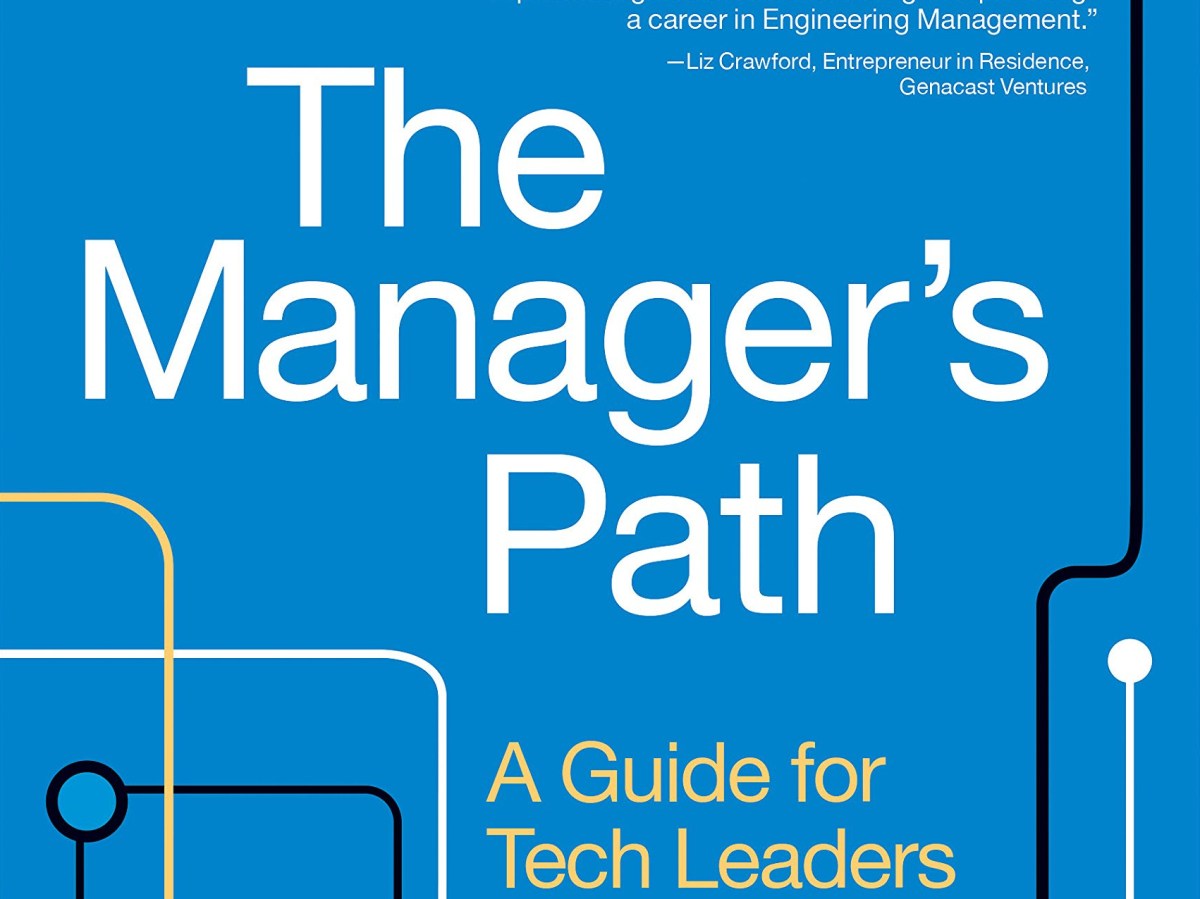
The Manager’s Path

Camille Fournier’s book, The Manager’s Path, is required reading for any technical leaders. Whether you are just starting out or a seasoned professional, there will be something you can take away from the book and immediately use to improve your craft.

It takes you through every level, from what you should expect from a manager, to how to start taking mentoring opportunities to build initial leadership skills. It builds up to leading teams, departments and whole companies, and finishes up with thoughts on how to build up the culture of your organisation.

It’s has a really strong focus on the technical problems that you’ll encounter, from managing familiar personality types, to how to deal with the inevitable tensions of shipping software whilst balancing scope and time to market. If you work with technical people, then it’s still a great read to help you understand the challenges of your Engineering peers.

Camille shares personal anecdotes and stories of times that she’s encountered the issues of leadership, and these personal insights bring the advice to life. It’s also a great way to see where particular options might not be right for you, and which tool you could choose to leave in the toolbox in favour of something else.

The intro suggests that you focus your reading on the level you are currently acting at, whilst encouraging you to skim other sections more lightly. It’s a really good approach, I’d definitely agree that once you’ve read it all you should come back to the parts that are most relevant and useful for where you are now.

Definitely one for the library, it’s one to give to your high potential talent and freshly minted leaders.

Categories
Coaching Leadership

Who are you helping?

It’s easy to get caught up in the day-to-day, chasing the next product launch, acing the next planning cycle or prepping an awesome presentation.

That’s often what some of your goals might look like, get better at doing these things, do them faster or at a higher level.

If you forget the why, then it’s a lot less fulfilling as a journey. It’s also going to be a lot more of a slog. You’ll also find it harder to bring people along with you if you are just focused on the next step.

One great way to reconnnect to the why is to stop and think about who you are are helping. What impact are you having on the world? Are you making life better for people outside your organisation? Are you empowering people you work with to multiply their own impact? Is your work helping someone to achieve their own goals along with your own.

When you bring it back to who you are helping, then it’ll energise your efforts, and those of the people you’re working with.

Categories
Leadership

Preparation

Stop winging it all the time.

It’s a really powerful thing to be able to pick-up context quickly, get up to speed and start contributing, but that’s not a free pass to always defaulting to this behaviour.

If the situation is important, unusual and something you’ve got prior warning for, then it’s a great opportunity to prepare ahead of time.

Great presenters are not throwing out some off-the-cuff thoughts. They’ve worked really hard to get to the point they are confident enough with the material and the flow to look like they are sharing thoughts spontaneously. The more important the presentation, the more it’ll have been prepared for. Practice and refine until it’s second nature, you’ve structured it to answer questions before they are asked, and you’ve got great answers for anything else that is likely to come up.

Sometimes you feel that being over-prepared makes you feel less natural. Don’t let that voice win. Preparing is a key way to get better as the stakes go up, so put the time in.

Similarly, tough conversations are even tougher if you go in and try and free-wheel them. The difficulty can be anything from asking for something you want, to delivering some bad news to an employee. The same advice will get you though the conversation:

  1. Know the outcome you are aiming for, and write it down.
  2. Plan out an ideal route towards that outcome.
  3. Think about a few different paths, consider the reactions you might encounter.
  4. Plan how to return to your key message.
  5. Give yourself a tactic to end if it all goes sideways.

Use these steps to make that tough conversation simple.

Anything that is difficult or important is tractable to being prepared for ahead of time, so look for your opportunities and put the effort in when it’s needed.

As you get more practiced, the preparation will become easier and the situations that are important enough to be worthy of preparation will become rarer.

Take the time to be prepared and you’ll nail the performance when you really need to.

Categories
Leadership

Showing Appreciation

If you are running remotely fully, or just more distributed than usual, then it can be tough to show appreciation in the ways that you are used to. The one that you’ve probably lost is the immediate positive feedback.

Giving feedback close to the event is one of the most important ways to make sure it’s understood and recognised. Giving a quick bit of positive re-enforcement on a good performance is especially beneficial. It’s the “Good job with the really clear chart on Slide 5” or “Great handling on the tough question from Marketing”.

You still need to give these little positive updates to the people you work with, but when there’s no corridors to walk around, it can be hard to find out the right way to do it.

It’ll depend somewhat on your culture, and on the meetings you are having, but you can consider these approaches:

  1. Just do the shout-out in the meeting. Works great for the truly positive and if the person you are praising enjoys the public recognition.
  2. Hold on for your next one-to-one. If you are having them weekly, then it’s probably still close enough to be effective. Grab some notes in the moment and refer to them in the session.
  3. Drop it in at the start of another meeting. You will be in and out of video calls all day, so pick a time when both you and the person you are giving the appreciation to are early to a call, and go for it then.
  4. Go big. If you’ve got a big all hands or departmental meeting, grab a few seconds in the appreciation section to recognise the great work.
  5. Send a note in instant messenger. This will be close to the situation, but can lose some of the emotion and meaning, so craft it carefully.

Five options to let someone know they did well, pick what works for you and which will also have the right impact on the person you are praising.

One final thought. Never ask for ‘a quick call’ from your chat software, especially if it’s the sum total of your message. That’s certain to put the fear into the person you are talking to. The unexpected escalation to a more personal form of contact is too often used for bad news, so avoid this approach wherever possible.

Categories
Leadership

Outcomes Matter

When you are trying to measure what matters, frame it in terms of Outcomes, rather than Outputs. When you start to measure something, then that number will tend to improve as you focus on it. If you are committing to something, then ticking off progress towards is an important way to help you get there.

It’s vital to make sure that the focus is on the actions that end up moving the right needle in the right way. Getting this right can take some time, so it’s worth putting effort in at the start.

The classic example from the tech world is measuring of how many lines of code a particular person has written. It’s a terrible metric, but let’s dig into the why.

Firstly, it’s easy to game. Software engineers can look at this, and just write code that does the same thing in more lines of code. It ends up being counter productive, as you see more complexity for no actual benefit.

Secondly, it’s not linked to the benefits that you are trying to bring to customers. Software exists to solve problems but the number of lines of code is not linked to this. This means the measure is incentivising something that’s not connected to your true goals, which is a bad place to be.

You can run this process with any sort of measure you want to use:

  1. What outcome are you aiming for?
  2. How can you measure progress towards that outcome?
  3. If the measurements are focused on, what behaviours will that drive?
  4. Does that behaviour support the outcomes you are driving for?

If you’ve got good measures that support positive progress to a great outcome, then you are in the right place to move forwards.

You will tend to find that your measures become a bit more complex, as you try to balance multiple behaviours. That’s a positive thing, but make sure to refine them until they are as simple as possible, while still driving you towards the best outcomes.

They’ll also become more specific to your particular situation, which again is a positive as it ties you more closely to the problems that you are trying to solve.

So instead of measuring the amount of code written, you may instead consider how you can help the team make more releases per month whilst reducing the number of issues caused in the production systems.

That’s better, as it’s encouraging fast and small releases, something we enjoy in tech as it reduces risk and means that we can learn faster by putting features in front of customers sooner.

Even better may be to aim to increase revenue, conversion or another core business metric. That brings more of the team together, allows you to focus on solving problems and may results in creative solutions like removing low value of complex features, which you’d never do if you were just focused on writing lots of code.

Focusing on the right outcomes is a powerful driver to positive change and unlocking the creativity of the people you are working with. As a leader that’s a core part of your role, so put the effort in early and reap the dividends of an engaged and highly performing team.