Categories
Book Review Coaching Leadership

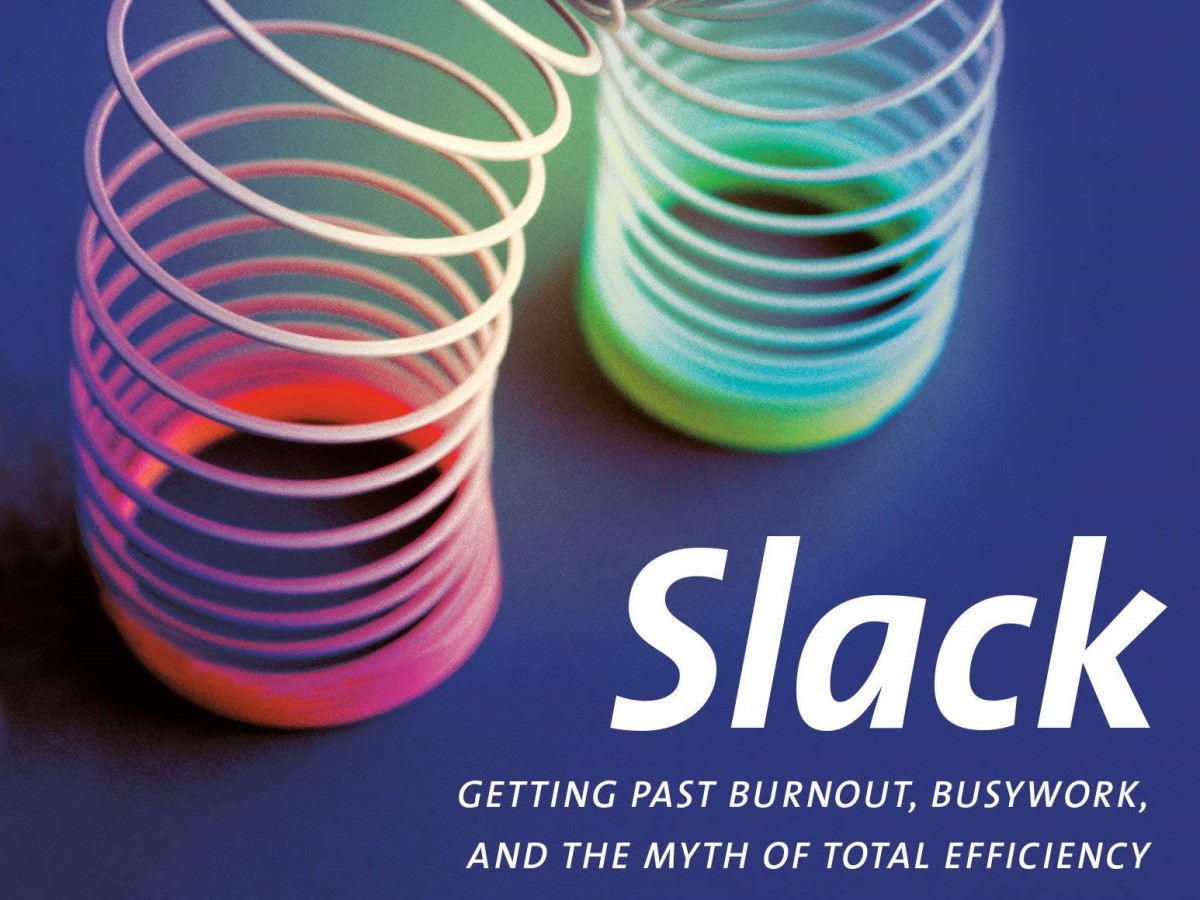
Slack

Tom de Marco’s Slack is a great example of why we should go back to the classics, rather than chase the hotness of the thousand new business books released every month.

It’s short and powerful, and hits you with the core message early and often. Efficient organisations are brittle. They cannot react to changing conditions, and things often take longer to achieve end-to-end.

Instead, we should strive to be effective by ensuring there is Slack in the system.

We recognise that people are not fungible units of resource. It takes time to change contexts, to build expertise and to get good at a job. Splitting someone’s focus to two tasks comes with an effectiveness cost. Splitting them to several means they may as well not be there. The orchestration costs more than the benefit they bring.

Sometime you need people to not be 100% busy, so they can do the important thing when it turns up. The value is in being able to absorb the change, and to be effective you need to accept the ‘cost’ of them not ‘producing’ all the time.

More pressure slows people down, knowledge work requires space to think, experiment and think again. You don’t get better long term outcomes by forcing more onto people, you get better outcomes by them having space to breathe.

Tom takes us through thoughts on how to scale this thinking to the organisation, on the right time to drive change (before things go bad), and why the connecting layer of leadership is key to giving you this successful org.

Watch out for the push to efficiency if you want to be effective!

Categories
Coaching Leadership

Give it Some Slack

In any complex system, small changes can have big impacts. That’s especially true if the system is under stress, or running at almost full capacity.

There’s lots of research on this, but the basic advice is to target no more than 80% utilisation, if you go for more then your wait time gets longer much faster than expected, you can’t react to changes or anything that’s unexpected.

Building software is a classic complex problem with changes and unexpected problems. Sometimes you’ll discover a team that is running slowly, often missing commitments and not delivering the value that they are focusing on. Often they are the most optimistic team you know, sure that they will turn it around, or that next quarter will deliver double.

If you dive into it, then it’s often a problem of capacity and utilisation. For whatever reason, the team thinks and plans as if they can always work at 100%, that there will be no changes or surprises and that every problem will be solved externally to them.

Rather than trying to fix these symptoms, strip it back to that utilisation belief.

Be ruthless, and cut back heavily on what the team is trying to achieve. Cut it in half, free up time for the team to get back on an even track.

Go back to some key agile practices. Prioritise the most valuable things first. Make the work as small as possible. Ship value as soon as you can. Cut back on work in progress, and start saying no to increasing this value.

When you’ve done this, you’ll find the team turns around. They are able to deliver faster as they aren’t overwhelmed, and the utilisation becomes more healthy.

When the unexpected hits, they are able to absorb it and keep going. They become predictable, and the time to realise value goes down.

So keep some slack in your schedule, and you’ll actually go faster and do more!